
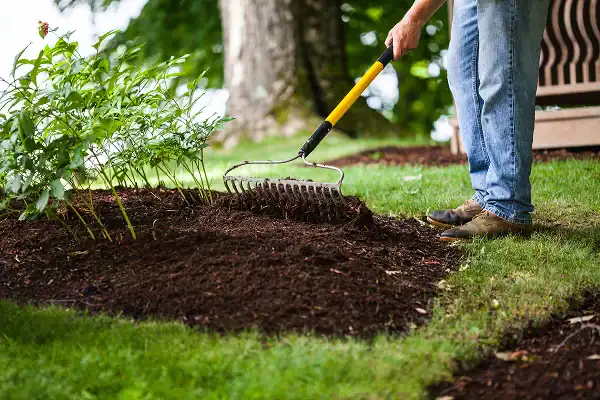
Mulching may seem like a simple finishing touch, but it’s one of the most effective ways to improve your landscape and protect your trees. When done correctly, mulching helps regulate soil temperature, retain moisture, suppress weeds and reduce ongoing landscape maintenance.
Whether you’re caring for mature trees or newly planted ones, proper mulching supports long-term lawn and landscape health.
How Mulch Keeps Tree Roots Healthy
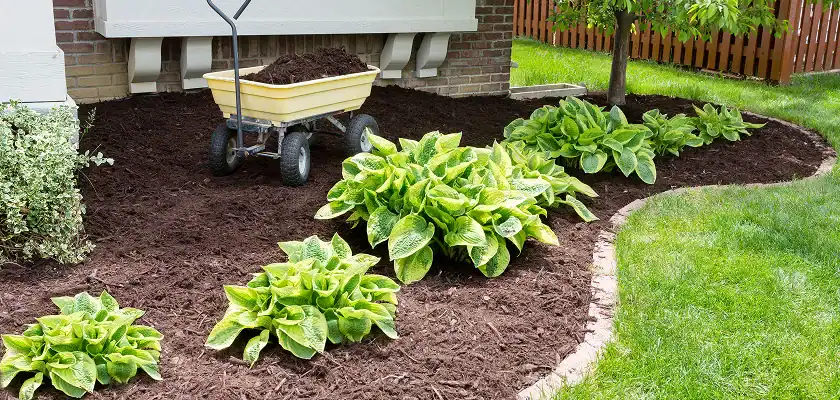
During hot summer months, the top few inches of soil can reach temperatures over 100°F, which is hot enough to damage or kill delicate feeder roots near the surface. These roots are critical for absorbing water and nutrients.
A 2-3 inch layer of organic mulch acts as insulation, lowering soil temperatures by up to 10 degrees. This cooler, more stable environment allows tree roots to remain active, hydrated and healthy throughout the growing season.
Benefits of Mulching Beyond Temperature Control
Mulching offers several additional benefits you may not immediately see but will feel over time:
- Improved moisture retention, which reduces watering needs.
- Reduced soil erosion and runoff during heavy rain.
- Less soil compaction, which encourages root growth.
- Better soil health as organic mulch slowly decomposes and enriches soil structure.
- Tree trunk protection from powers and string trimmers.
Together, these benefits make mulching one of the most cost-effective landscape improvements available.
Choosing the Best Mulch for Your Landscape
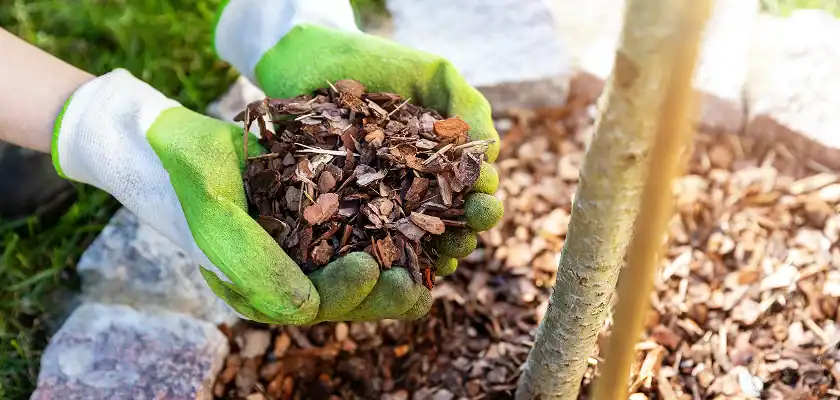
Mulches are generally either organic or inorganic.
Organic mulches include bark chips, shredded bark, wood mulch, leaves, straw, cocoa hulls and peat moss, which regulate temperature, moisture and improve soil quality. Organic mulches are ideal to use near trees, shrubs and garden beds.
Inorganic mulches include gravel, rubber mulch and plastic sheeting. The greatest benefit of these options it that they’re long-lasting. The drawback being they do not improve soil health.
Most homeowners prefer woodbased mulches for their appearance, affordability and soilboosting benefits.
Mulching Tips for Best Results
To get the most value from your mulching efforts, follow these best practices:
- Apply mulch after the first hard freeze in fall to discourage rodents.
- Keep mulch 2–3 inches away from tree trunks; never pile mulch against bark.
- Maintain a 2–5 inch depth, depending on mulch type.
- Avoid placing new mulch over thick, compacted old layers.
- Remove weeds and lightly loosen soil before applying mulch.
Proper application is just as important as the mulch itself.
Mulching: A Simple Step With Big Rewards
Annual mulching helps trees manage heat stress, retain moisture, suppress weeds and avoid mechanical damage. When combined with lawn care practices like core aeration, fertilization and proper watering, mulching plays a key role in maintaining a healthy, attractive landscape year after year.
Looking to partner with an experienced residential and commercial lawn care partner? We’d love to chat.