
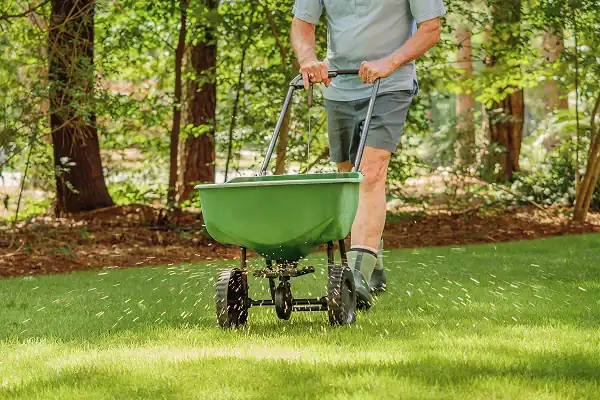
Maintaining healthy cool-season turfgrass in Iowa requires a strategic, year-round lawn care tailored to the state’s unique climate and growing conditions. By following a seasonal schedule that balances fertilizer, weed control, aeration, irrigation and pest management, homeowners and property managers can keep Kentucky bluegrass, perennial ryegrass and fine fescue lawns dense, green and resilient.
Early Spring Lawn Care in Iowa (March–April)
Soil Testing, Pre-Emergent, and Aeration
Early spring lawn care in Iowa is essential for establishing strong, healthy turf after winter dormancy. As soil temperatures rise and cool-season grasses begin active growth, proper nutrient planning and preventative weed control set the foundation for the entire growing season.
- Start with soil testing to determine nutrient deficiencies and make any needed pH adjustments. This ensures fertilizer applications are precise and cost-effective.
- Apply pre-emergent herbicides when soil temperatures consistently reach 55°F to prevent crabgrass and other summer annual weeds from germinating.
- In April, apply slow-release nitrogen fertilizer at a rate of 0.5–1 lb. of nitrogen per 1,000 sq. ft. to support steady, controlled growth without excessive top growth.
- Perform core aeration to relieve soil compaction, improve oxygen exchange and encourage deeper root development. Overseed thin areas where turf density is low, especially in lawns with heavy compaction or excessive thatch.
Late Spring Lawn Care in Iowa (May)
Fertilization and Weed Control
Late spring is a key maintenance period for Iowa lawns, focusing on sustaining growth and managing emerging weeds. Proper timing during May helps maintain turf density while minimizing weed pressure heading into summer.
- Apply a light fertilizer application to maintain consistent growth without overstimulating the lawn before summer heat.
- Spot treat broadleaf weeds such as dandelion and clover using selective postemergent herbicides.
- Continue aeration if needed, particularly in hightraffic areas or lawns showing signs of compaction or poor drainage.
Summer Lawn Care in Iowa (June–August)
Irrigation and Pest Management
Summer lawn care is centered on protecting turf from heat stress, drought, insects and disease. Iowa’s hot, humid conditions require careful management to keep coolseason grasses healthy.
- Avoid heavy fertilization during hot months to reduce turf stress and prevent burn or excessive disease pressure.
- Monitor irrigation practices closely, ensuring consistent soil moisture while avoiding overwatering that can promote disease.
- Apply insecticides for grub and surfacefeeding insects as needed, and use fungicides preventatively or curatively to manage common turf diseases such as dollar spot and brown patch.
Early Fall Lawn Care in Iowa (September)
Heavy Feeding and Overseeding
Early fall is the most important season for rejuvenating coolseason lawns in Iowa. Favorable temperatures and soil conditions make this the ideal time for fertilization, aeration and overseeding.
- Apply a heavy nitrogen fertilizer at 1.25–1.5 lb. of nitrogen per 1,000 sq. ft. to stimulate root growth, tillering and turf recovery from summer stress.
- Schedule core aeration and overseeding to build thick, healthy turf before winter dormancy and reduce weed competition the following spring.
- Perform a blanket broadleaf herbicide application to effectively remove persistent weeds from the turfgrass stand.
Late Fall Lawn Care in Iowa (October–November)
Prepare for Winter
Late fall lawn care focuses on strengthening turf for winter survival and promoting a strong greenup the following spring. These steps help coolseason grasses store carbohydrates and improve stress tolerance.
- Apply a winterizer fertilizer with higher potassium levels to enhance cold tolerance and disease resistance.
- Treat remaining broadleaf weeds with postemergent herbicides while weeds are still actively storing nutrients.
- Consider a second round of aeration for lawns with heavy foot traffic or ongoing compaction issues.
Winter Lawn Care in Iowa (December–February)
Rest and Planning
During winter dormancy, turfgrass growth slows to a halt. While no active treatments are required, this period is ideal for evaluation and planning.
- No fertilization or aeration should be performed while the lawn is dormant.
- Use this time to review soil test results, plan spring treatments and schedule professional services for the upcoming season.
Following this Iowa turf care calendar ensures your cool-season grasses stay healthy year-round by aligning fertilizer applications, weed and pest control and cultural practices with the turf’s growth cycles and Iowa’s unique climate conditions. If you want to work with an experienced lawn maintenance partner, we’d love to connect.