
Don’t Wait for Winter Storms: Why Fall Tree Trimming Protects Your Roof & Property

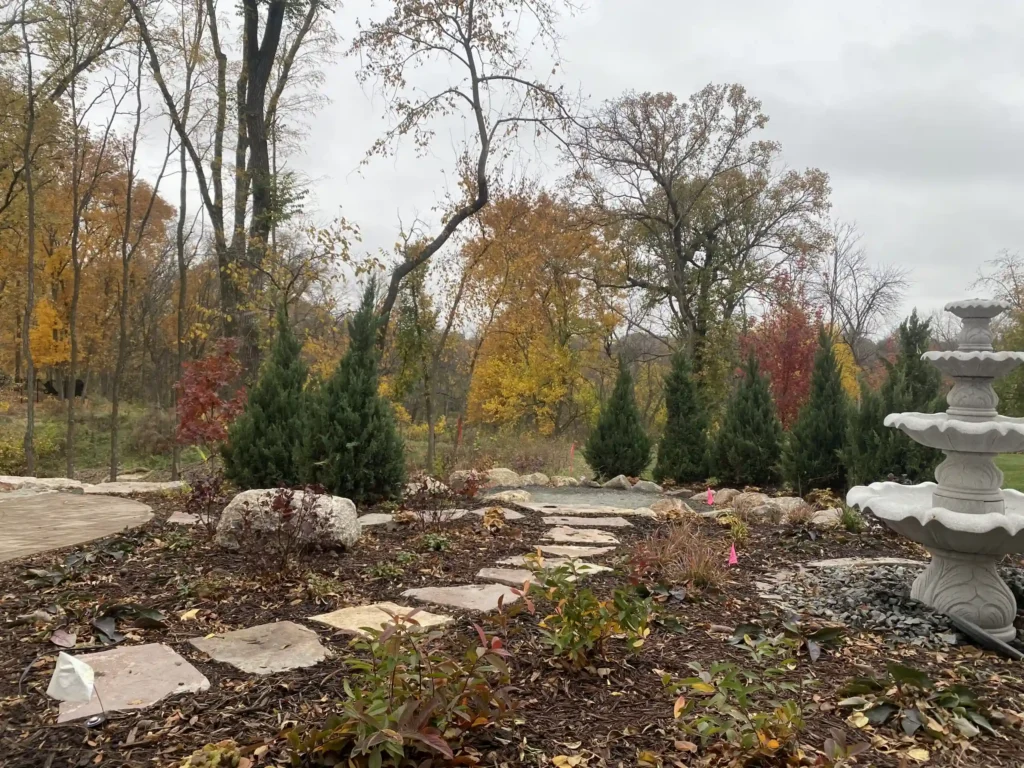
landscaping with stone path

The Cutting-Edge Basics

Tree trimming, sometimes called pruning, is the selective removal of branches to improve a tree’s structure, health, and appearance. This may include removing:

  • Dead or dying branches
  • Weak or crossed limbs
  • Overgrown areas near roofs, power lines, or walkways
  • Excess growth that blocks sunlight or airflow

Proper trimming encourages balanced growth while reducing stress on the tree.

Branching Out on the Benefits

Removing dead or damaged branches helps prevent decay and disease from spreading throughout the tree, while allowing sunlight and air to reach interior branches for stronger overall growth. Overgrown or weakened branches can also fall during storms, high winds, or heavy snowfall, all of which are no strangers to a Des Moines metro winter, posing a risk to people, homes, vehicles, and power lines. Routine trimming reduces the chances of unexpected damage or injury. On top of the health and safety benefits, well-maintained trees instantly improve the appearance of your property. Clean lines, balanced canopies, and properly shaped trees make your entire landscape look intentional and cared for.

Growing in the Right Direction

Strategic trimming helps guide a tree’s natural growth pattern, preventing lopsided canopies or weak branch structures that could create problems later. It also helps maintain safe clearance from roofing, siding, and gutters, since rubbing branches can cause long-term damage, and protects nearby plants from excessive shade.

When to Make the Cut

The best time for tree trimming depends on the type of tree, but in general:

  • Late winter or early spring is ideal for most trees, as they are dormant and stress is minimized
  • Summer trimming may be done to control growth or remove hazardous branches
  • Dead or dangerous limbs should be removed immediately, regardless of season

A professional can determine the safest and most effective timing for your specific trees. Most mature trees benefit from trimming every 2 to 5 years, while younger trees may need more frequent shaping. Fast-growing species or trees located near structures may require more regular attention. A routine inspection can help determine the right schedule for your property.

Leaf It to the Pros

While small branches may seem manageable, tree trimming can be dangerous without the right equipment and experience. Improper cuts can injure the tree or create weak growth points, and working at height always carries risk.

Hiring a professional ensures:

  • Proper pruning techniques
  • Specialized equipment for safety and precision
  • Knowledge of tree species and growth habits
  • Protection for your property and surrounding landscape

In many cases, professional trimming can actually save money by preventing storm damage or premature tree removal.

Tree trimming is an investment in the health, safety, and appearance of your landscape. With proper care, trees can thrive for decades, adding beauty and value to your property year after year.


Looking to keep your property at its best? Reach out!

📞 (515) 987-4394