
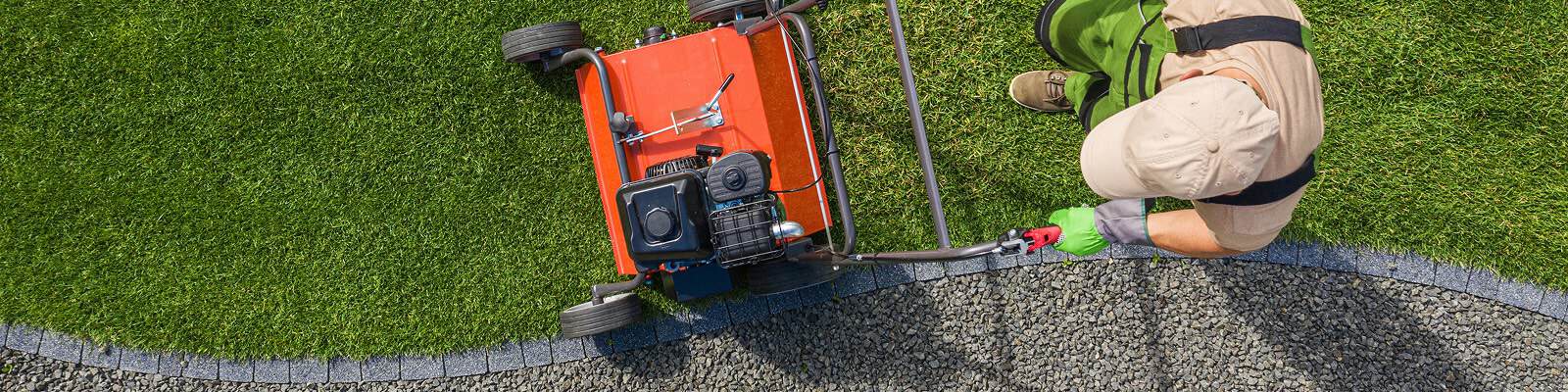
Maintaining a healthy lawn in Iowa requires more than regular mowing and fertilization. One of the most beneficial cultural practices for turfgrass management is aeration, which helps improve soil conditions and encourages stronger grass growth. Because many Iowa lawns are established on clay or clay-loam soils that are prone to compaction, aeration plays a key role in maintaining turf quality and long-term lawn health.
What Happens When You Aerate a Lawn?
Aeration is the process of creating small openings in the soil to allow air, water and nutrients to reach the root zone of turfgrass. The most common and effective method is core aeration, where a machine removes small plugs of soil from the lawn. These holes allow the soil to loosen and provide channels for roots and beneficial microorganisms to thrive. Without aeration, soil can become compacted over time due to foot traffic, mowing equipment and natural settling.
What Happens if Soil Becomes Too Compacted?
Soil compaction is a major issue for turfgrass in Iowa. When soil particles are pressed tightly together, pore space is reduced. These spaces normally hold air and water that roots need to survive. In compacted soils, turfgrass roots struggle to grow and expand, which limits the plant’s ability to absorb nutrients and moisture. As a result, lawns may appear thin, weak or discolored. Aeration alleviates this problem by loosening the soil and restoring the natural pore space needed for healthy root development.
How Does Aeration Impact Water Absorption?
Another important benefit of aeration is improved water infiltration. Iowa experiences periods of heavy rainfall followed by dry conditions during the growing season. Compacted soil often causes water to run off the lawn rather than soak into the ground. This not only wastes water but can also lead to shallow root systems that are vulnerable to drought stress. Aeration allows water to move deeper into the soil, encouraging roots to grow deeper and making turf grass more resilient during hot and dry periods.
Do You Need to Aerate Your Lawn for Fertilizer to Work?
In addition to improving water absorption, aeration also improves the effectiveness of fertilizers and other lawn treatments. Nutrients applied to the surface must reach the root zone to benefit the grass. When soil is compacted or covered by excessive thatch, these nutrients may remain near the surface or be washed away before they can be absorbed. By creating channels in the soil, aeration helps nutrients penetrate more effectively, allowing turfgrass plants to use them more efficiently.
What is Thatch in Lawns?
Thatch is a layer of dead grass stems and organic material that accumulates between the soil and the green grass blades. While a thin layer is normal, excessive thatch can prevent water, air and nutrients from reaching the soil. Aeration helps break down thatch by increasing microbial activity and allowing soil to mix with the organic layer, which speeds decomposition.
When Should You Aerate Your Lawn?
For most Iowa lawns consisting of cool-season grasses such as Kentucky bluegrass, perennial ryegrass and tall fescue, the best time to aerate is in early fall. During this period, turfgrass is actively growing and can quickly recover from the aeration process. Many lawn care professionals also recommend overseeding immediately after aeration, since the holes provide excellent seed-to-soil contact.
Make Plans Now to Aerate and Overseed Your Lawn
Aeration is a simple but highly effective practice for improving turfgrass health in Iowa. By reducing soil compaction, improving water and nutrient movement and encouraging deeper root growth, aeration helps lawns become thicker, greener and more resilient throughout the growing season. Regular aeration can significantly improve both the appearance and durability of turfgrass in Iowa landscapes.
Our team can help you effectively and successfully aerate and overseed your lawn. Reach out today!
📞 Call us: 515‑987‑4394
🌐 Contact us: https://rjlawnservice.net/contact/